
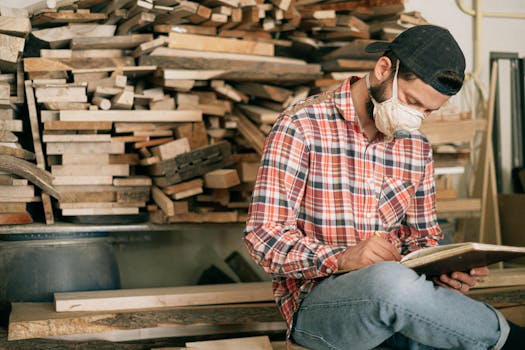
Ever stopped to consider what your house, office, or even the local park bench is actually made of? We’re surrounded by structures, but rarely do we pause to appreciate the foundational elements that hold them together. It turns out, the choice of “common building materials” is a far more fascinating and consequential decision than it might first appear. These are the workhorses, the everyday essentials that shape our built environment, and they come with a surprising array of implications. Let’s pull back the curtain on these familiar, yet often overlooked, components of our world.
Why Do We Keep Reaching for the Same Old Stuff?
When you think about what goes into building a house, certain materials probably spring to mind: wood, brick, concrete, maybe some steel. These aren’t just popular for aesthetic reasons; they’ve earned their place through a combination of factors that make them incredibly appealing to builders, developers, and, well, anyone who wants a roof over their head without breaking the bank.
Cost-Effectiveness: This is often the primary driver. These materials are widely available, meaning supply chains are robust, and economies of scale kick in. The less you spend on raw materials, the more affordable the final product becomes, which is a win for everyone involved.
Familiarity and Skill: Generations of craftspeople have honed their skills with these materials. This means there’s a deep pool of expertise, making construction faster, more predictable, and often less prone to costly errors. A carpenter knows how to work with wood; a mason knows their way around brick. It’s a comfort in the construction world.
Proven Durability: These aren’t untested newcomers. We have centuries of evidence showing that well-constructed buildings from concrete, brick, and timber can stand the test of time, weathering storms and everyday wear and tear. This track record provides a sense of security.
The Environmental Footprint: It’s Not Always Green and Pleasant
Now, here’s where things get a little less rosy. While these materials are practical and affordable, their widespread use comes with a significant environmental toll. It’s a classic case of convenience often trumping conscience, at least historically.
#### Concrete’s Carbon Conundrum
Concrete, specifically its key ingredient, cement, is a massive contributor to global CO2 emissions. The process of making cement involves heating limestone to very high temperatures, a process that releases enormous amounts of carbon dioxide. In fact, cement production accounts for about 8% of global CO2 emissions – that’s more than the entire aviation industry! It’s a rather sobering thought when you consider how much concrete is poured every single day.
#### Timber’s Tale: Forest to Frame
Wood, while a renewable resource, isn’t without its environmental baggage. Unsustainable logging practices can lead to deforestation, habitat loss, and soil erosion. Even when sourced responsibly, the transportation of timber over long distances adds to its carbon footprint. However, it’s also true that wood, when harvested sustainably, can act as a carbon sink, storing carbon for the life of the building. It’s a complex equation.
#### Steel’s Energy Appetite
Steel, a staple for structural frameworks and reinforcement, is incredibly strong and versatile. But its production is notoriously energy-intensive. Mining iron ore and then processing it into usable steel requires vast amounts of electricity, often generated from fossil fuels. While recycling steel is common and beneficial, the initial production remains a significant energy consumer.
Beyond the Big Three: Exploring Other Common Materials
Of course, the world of common building materials extends beyond just concrete, wood, and steel. Each has its own story and set of implications.
#### The Ubiquitous Brick: A Solid Choice, But…
Bricks are a classic for a reason: they’re durable, fire-resistant, and offer good thermal mass. However, the production of traditional fired bricks involves kilns that consume substantial energy, often powered by fossil fuels. The mining of clay also impacts landscapes. While innovations in brick manufacturing are reducing this impact, it’s still a factor.
#### Glass: Transparency and Its Trade-offs
Windows are essential for light and views, and glass is the go-to material. The production of glass itself is energy-intensive, requiring high temperatures. While modern double and triple-glazed windows offer excellent insulation, the sheer volume of glass used in buildings can contribute to heat gain and loss, impacting energy efficiency if not properly designed.
#### Plastics and Polymers: A Double-Edged Sword
From insulation and piping to roofing and cladding, plastics and polymers have become incredibly common. Their advantages are clear: they are lightweight, often waterproof, and can be engineered for specific properties. However, their reliance on petrochemicals and the persistent issue of plastic waste in landfills and oceans cast a long shadow over their use. Microplastics are now a concern even in the air we breathe, so their presence in our homes is a subtle, ongoing consideration.
How Smarter Choices Can Shape Our Future
The good news? We’re not doomed to a future of environmentally destructive construction. Awareness is growing, and innovation is rampant. When considering common building materials for your next project, or even just thinking about the buildings around you, a few things come to mind:
Embrace Low-Carbon Concrete Alternatives: Researchers are developing and implementing alternatives to traditional cement, using industrial byproducts or novel binders that significantly reduce the carbon footprint.
Prioritize Sustainable Timber Sourcing: Look for certifications like FSC (Forest Stewardship Council) to ensure wood comes from responsibly managed forests. Innovative timber construction methods, like cross-laminated timber (CLT), are also gaining traction.
Invest in Energy-Efficient Fenestration: High-performance windows and doors can drastically reduce a building’s energy consumption for heating and cooling.
Explore Recycled and Reclaimed Materials: Using salvaged wood, recycled steel, or aggregates from demolition waste can significantly reduce the demand for new resources and their associated environmental impact.
Consider the Lifecycle: Think beyond the initial construction. How long will the material last? Can it be recycled or repurposed at the end of its life?
Final Thoughts: Building Responsibly, Brick by Brick
The choices we make about the “common building materials” that form our shelters are, in essence, choices about our planet’s future. While the allure of cost and familiarity is strong, we’re increasingly understanding that the true cost includes environmental and social impacts that can no longer be ignored. By championing innovation, demanding sustainable practices, and educating ourselves on the implications of each material, we can move towards a built environment that is not only functional and beautiful but also truly responsible. It’s time to give these everyday heroes – and the occasional villains – the thoughtful consideration they deserve.